
Waste Management in Food Industry for Manufacturers
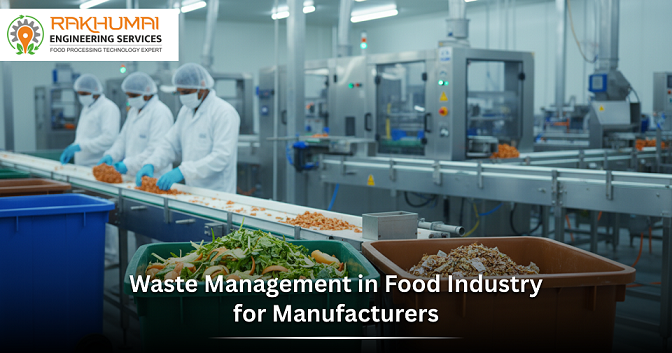
Waste management in food industry is a major concern for food manufacturers. Every stage of food production creates waste, from raw materials and processing to packaging and storage. If this waste is not handled properly, it can lead to pollution, health risks, increased disposal costs, and even legal issues for your food business.
Good waste management helps reduce the amount of waste sent to landfill, lowers production costs, and makes your operations cleaner and safer. It also supports environmental care, which is becoming more important for customers and regulators in India and around the world.
For people planning to start or grow a food manufacturing business, understanding waste management is essential for building a responsible, cost-effective, and sustainable food business in India.
What Is Waste Management in the Food Industry?
Waste Management in food industry means collecting, handling, treating, and disposing of waste created during food production. This includes waste from raw materials, processing, packaging, storage, and distribution.
Food manufacturers deal with both solid and liquid waste. If not managed properly, this waste can cause pollution, bad odour, pest problems, and health risks.
In India, food businesses also need to follow rules set by the Food Safety and Standards Authority of India (FSSAI), local pollution control boards, and municipal bodies.
Why Waste Management Is Important for Food Manufacturers
Good waste management is not only about rules. It directly affects business growth and operations.
Reasons why waste management matters:
- Helps meet FSSAI and pollution control norms
- Reduces production and disposal costs
- Improves hygiene and food safety
- Lowers risk of contamination
- Builds a responsible brand image
- Supports sustainability goals
For new food entrepreneurs, having a waste plan from day one avoids future problems.
Types of Food Waste in Manufacturing
Here are the types of food waste helps manufacturers control waste better.
Common types of food waste include:
- Raw material waste:
Spoiled grains, fruits, vegetables, meat, or dairy before processing. - Processing waste:
Peels, shells, bones, trimmings, oil residue, and by-products. - Packaging waste:
Damaged cartons, plastic wraps, labels, and rejected packs. - Expired or rejected products:
Finished goods that fail quality checks or cross expiry dates. - Wastewater and liquid waste:
Water is used for washing, cleaning, and processing.
Knowing these types of food waste helps plan proper segregation and disposal.
Food Waste Management Methods Used in India
Effective food waste management depends on the type and quantity of waste generated.
Common food waste management practices:
- Segregation at source:
Separate organic waste, recyclable waste, and hazardous waste. - Composting:
Organic waste can be converted into compost for farming or gardening. - Animal feed:
Some food waste can be safely used as cattle or poultry feed. - Biogas generation:
Food waste can be used to produce biogas for energy. - Authorised disposal:
Waste sent to approved agencies or municipal facilities.
Good food waste management starts with training staff and setting clear waste-handling rules. At Rakhumai Engineering Services, we help food manufacturers by auditing and training teams based on the size and type of food unit.
Role of Waste Processing in Food Manufacturing
Waste processing is an important part of modern food factories. It focuses on treating waste before disposal or reuse.
Common waste processing methods:
- Crushing and shredding food waste
- Dehydration to reduce waste volume
- Effluent treatment plants (ETP) for liquid waste
- Oil and grease traps
- Solid waste compactors
Proper waste processing helps reduce environmental impact and makes disposal easier and cheaper.
Challenges Faced by Food Manufacturers
Many new food businesses struggle with waste management in food industry due to:
- Lack of awareness of rules
- Poor factory layout planning
- No waste segregation system
- High disposal costs
- Limited space in urban areas
Proper planning with experienced food industry professionals helps prevent costly mistakes and supports better day-to-day operations.
Government Rules for Waste Management in India
Food manufacturers in India must follow several waste-related regulations:
- FSSAI hygiene and sanitation requirements
- State Pollution Control Board guidelines
- Solid Waste Management Rules
- Effluent discharge norms
- Local municipal waste rules
Simple Steps to Improve Waste Management
Food manufacturers can improve waste handling with simple actions:
- Design factory layout with waste flow in mind
- Train workers on waste segregation
- Maintain cleaning and disposal records
- Use approved vendors for waste pickup
- Review waste data monthly
Even small steps can make waste management more effective.
Conclusion - Waste Management in Food Industry
Waste management plays an important role in the success of any food manufacturing business. From handling raw material waste to managing processing and packaging waste, proper planning helps reduce losses, maintain hygiene, and meet legal requirements.
If you plan to start or grow a food manufacturing unit, Rakhumai helps with food business consulting, project setup, subsidy support, training, and audits. Our team guides you at every step to set up your food unit the right way from the beginning.
Frequently Asked Questions
Transportation, Inventory, Motion, Waiting, Overproduction, Over-processing, and Defects
Waste in the food industry can be controlled through proper segregation, staff training, and process optimisation.
Emerging trends in food processing waste management include recycling, biogas production, composting, and adopting a circular economy approach.
Food processing businesses can convert waste into valuable resources such as animal feed, energy, compost, and other by-products.
In India, food is wasted due to spoilage, processing losses, expiry, poor storage, and distribution inefficiencies.