
What is HACCP and Why Is It Important?
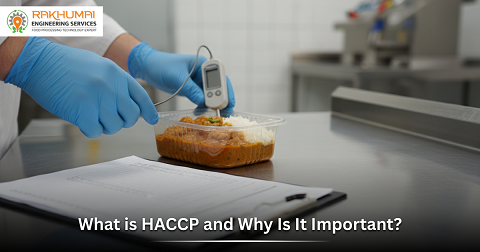
Have you ever thought about how the food you eat stays safe before it reaches your plate?
Behind every safe meal is a system that helps prevent contamination and protects consumers, and one of the most important systems is HACCP. Whether you run a restaurant, work in the food industry, or just want to understand food safety better, learning about HACCP is helpful.
Instead of fixing problems after they happen, HACCP focuses on stopping risks early during food production. Today, food passes through many stages before reaching customers, so strong safety systems are essential.
Therefore, HACCP helps businesses improve quality, follow safety rules, and build trust with their customers.
What is HACCP?
HACCP stands for Hazard Analysis and Critical Control Points.
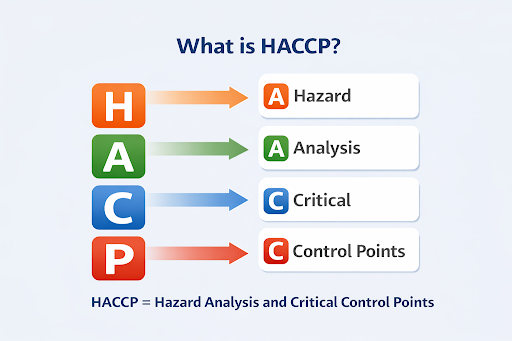
Source: ChatGPT
It is a science-based food safety system that helps businesses identify risks and control hazards before food reaches consumers. Instead of fixing problems after contamination happens, HACCP focuses on preventing issues during food production.
In simple terms:
HACCP = Find risks early + control them at critical stages.
This system looks at the entire food process, including:
- Raw materials
- Food preparation
- Cooking and processing
- Packaging
- Storage
- Distribution
Why is Food Safety a Matter?
Food safety is not just a technical requirement for businesses. It directly affects public health, economies, and consumer confidence worldwide. Unsafe food can lead to serious illnesses, hospitalisations, and even deaths, making strong food safety systems like HACCP essential.
According to the World Health Organisation (WHO), why food safety matters:
- Around 600 million people, nearly 1 in 10 people worldwide, fall ill every year after eating contaminated food.
- Unsafe food causes approximately 420,000 deaths annually worldwide.
- Children under the age of five carry about 40% of the total burden of foodborne diseases, showing how vulnerable young populations are.
- Foodborne illnesses lead to economic losses of about $110 billion each year in low- and middle-income countries due to medical costs and productivity losses.
These clearly show that effective food safety systems are essential. Without proper controls and preventive measures like HACCP, contamination risks increase, leading to serious health issues, business losses, and reduced consumer trust.
Why is HACCP Important?
HACCP is considered one of the most effective food safety systems because it focuses on preventing problems before they happen, rather than reacting after contamination occurs. By identifying risks early and controlling critical stages in food production, businesses can ensure safer food and more efficient operations.
1. Prevents Food Contamination
One of the main goals of HACCP is to identify and control potential hazards before they become serious problems. These hazards may include:
- Biological hazards such as bacteria (Salmonella, E. coli)
- Chemical contamination from cleaning agents or pesticides
- Physical hazards like glass fragments, metal pieces, or plastic
By controlling risks at critical points, businesses significantly reduce the chances of foodborne illness.
2. Protects Consumer Health
Consumers expect the food they eat to be safe. HACCP helps maintain high safety standards by ensuring:
- Safe cooking temperatures
- Proper storage and handling practices
- Clean and hygienic food preparation
These preventive measures reduce health risks and protect public safety.
3. Builds Customer Trust
Following HACCP principles helps businesses demonstrate their commitment to food safety. As a result:
- Customers feel more confident about the products they buy
- Brand reputation improves
- Businesses reduce the risk of negative publicity caused by food recalls or safety incidents
4. Helps Meet Legal Requirements
In many countries, food businesses are required to implement HACCP-based food safety systems.
A HACCP plan acts as a structured framework that guides companies in maintaining safety standards throughout production, processing, and distribution.
5. Reduces Waste and Costs
Preventing contamination not only improves safety but also reduces operational costs. HACCP helps businesses achieve:
- Fewer product recalls
- Reduced food waste
- Lower financial losses
Prevention is always more cost-effective than correcting problems after they occur.
6. Improves Quality Control
Regular monitoring under HACCP ensures:
- Consistent food quality
- Better control over operational processes
- Increased efficiency and smoother workflows
Overall, HACCP helps businesses maintain high standards while improving productivity.
The 7 Principles of HACCP
HACCP is built on seven key principles. These form the foundation of the system.
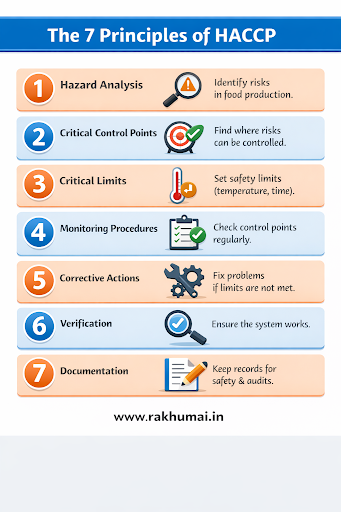
These principles help businesses prevent hazards instead of reacting after contamination occurs.
How HACCP Works?
To understand how HACCP works in real life, let’s take a simple example of a restaurant cooking chicken. HACCP focuses on identifying risks and controlling them at critical stages to prevent unsafe food from reaching customers.
Step 1: Identify the Hazard
The first step is to identify potential risks. In this case, raw chicken may contain harmful bacteria such as Salmonella or Campylobacter, which can cause foodborne illness if not handled or cooked properly.
Step 2: Determine the Critical Control Point (CCP)
A critical control point is a stage where a hazard can be controlled or eliminated. For cooking chicken, the critical control point is the cooking process, where heat can kill harmful bacteria.
Step 3: Set Critical Limits
Critical limits are safety standards that must be met. For example, chicken must reach a specific safe internal temperature to ensure bacteria are destroyed.
Step 4: Monitoring
The food handler regularly checks whether the critical limits are being met. This could involve using a food thermometer to measure the internal temperature of the chicken during cooking.
Step 5: Corrective Action
If the chicken has not reached the required temperature, corrective action must be taken, such as cooking it longer until it reaches a safe level.
This step-by-step HACCP process helps prevent contamination and ensures that only safe food is served to customers.
Benefits of HACCP for Food Businesses
Here’s an overview of HACCP advantages:
- Prevents food safety problems
- Reduces contamination risks
- Improves customer confidence
- Supports regulatory compliance
- Strengthens brand reputation
- Reduces legal risk
- Helps interact with national trade compliance
HACCP is widely recognised as the global gold standard for food safety because it applies scientific risk management methods across the entire food chain.
Who Needs HACCP?
HACCP is used across the entire food industry.
Examples include:
- Restaurants and cafes
- Food manufacturers
- Catering businesses
- Dairy and meat processors
- Seafood producers
- Bakeries
- Food packaging companies
- Retail food chains
Basically, any business handling food can benefit from HACCP.
Common Hazards HACCP Helps Control
HACCP mainly targets three types of hazards:
1. Biological Hazards
- Bacteria
- Viruses
- Parasites
2. Chemical Hazards
- Cleaning chemicals
- Pesticide residues
- Food additives
3. Physical Hazards
- Glass fragments
- Metal pieces
- Plastic or foreign objects
Simple Tips to Implement HACCP
If you’re a food business owner, start with these steps:
- Train staff on food safety basics
- Map your food production process
- Identify potential hazards
- Monitor critical points regularly
- Keep detailed records
- Review and improve processes continuously
Conclusion
HACCP is not just a food safety checklist; it is a smart system that helps prevent problems before they happen. By identifying risks early and controlling important steps in food production, businesses can keep food safe, maintain quality, and build customer trust.
Every year, millions of people become ill due to unsafe food, which is why systems like HACCP are so important. Whether you run a restaurant, food factory, or catering business, following HACCP principles helps you serve safer food, protect customers, and run a more reliable and successful business.
Frequently Asked Questions
Here are some frequently asked questions about HACCP and its importance in maintaining food safety and compliance across the food industry.
The main purpose of HACCP is to identify potential food safety hazards and control them before they become serious problems. It focuses on preventing contamination during food production, processing, and handling to ensure that food remains safe for consumers.
HACCP is effective because it focuses on prevention rather than reacting after problems occur, which reduces the risk of food contamination. It also uses a structured and systematic approach to monitor critical control points, helping businesses maintain consistent food safety standards.
HACCP helps businesses improve food safety, reduce contamination risks, and protect consumer health. It also supports legal compliance, improves product quality, reduces waste and costs, strengthens brand reputation, and builds customer trust by ensuring safe food handling practices.
HACCP guidelines should be followed by anyone involved in food production, preparation, processing, storage, or distribution. This includes restaurants, catering businesses, food manufacturers, processors, bakeries, retail food chains, and other businesses that handle food at any stage of the supply chain.